![[EN] full](https://crjm.org/wp-content/uploads/2021/09/EN-full.svg)
Training dedicated to the responsible use of artificial intelligence in judicial activity, organized by the LRCM at the Supreme Court of Justice
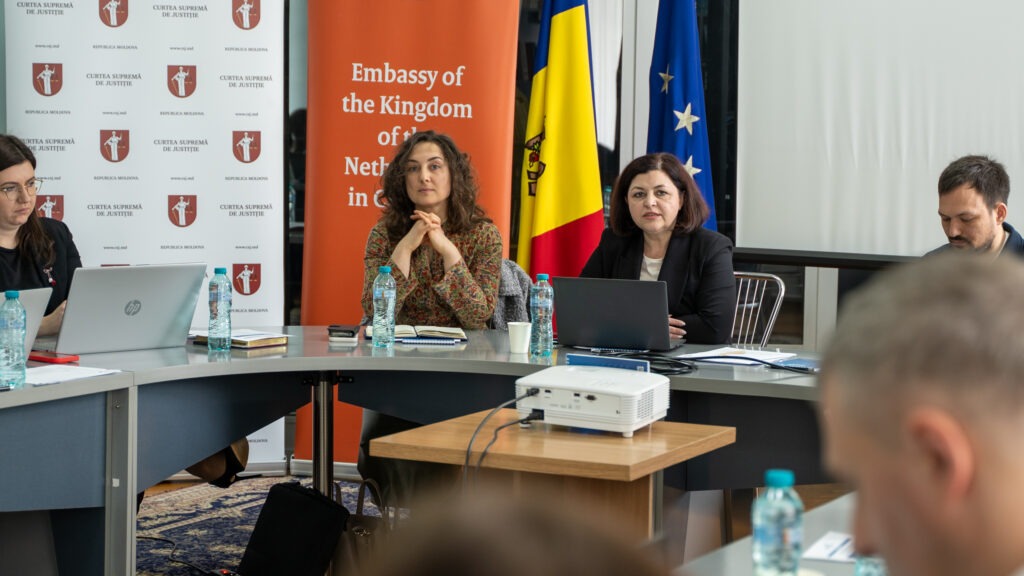
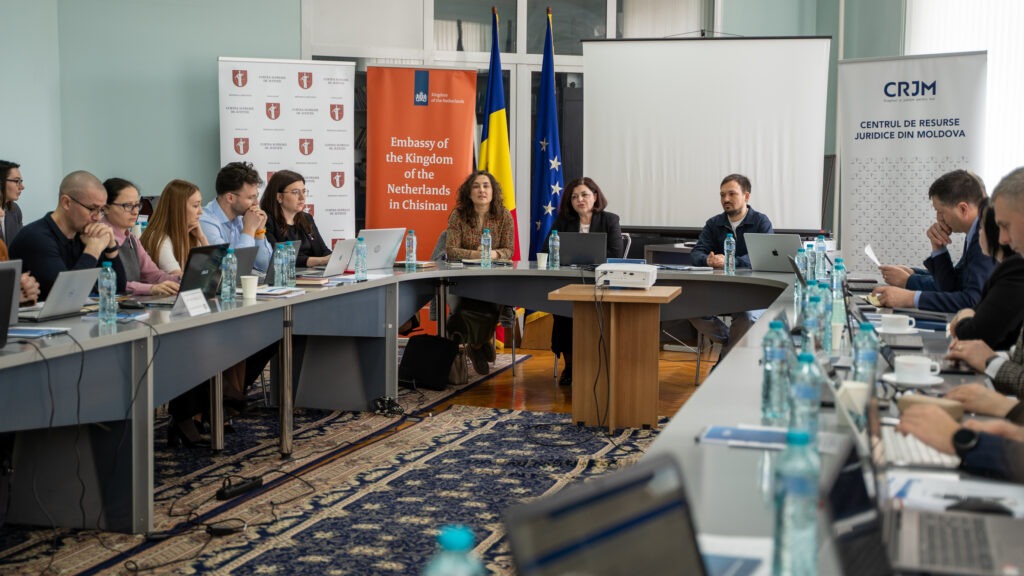
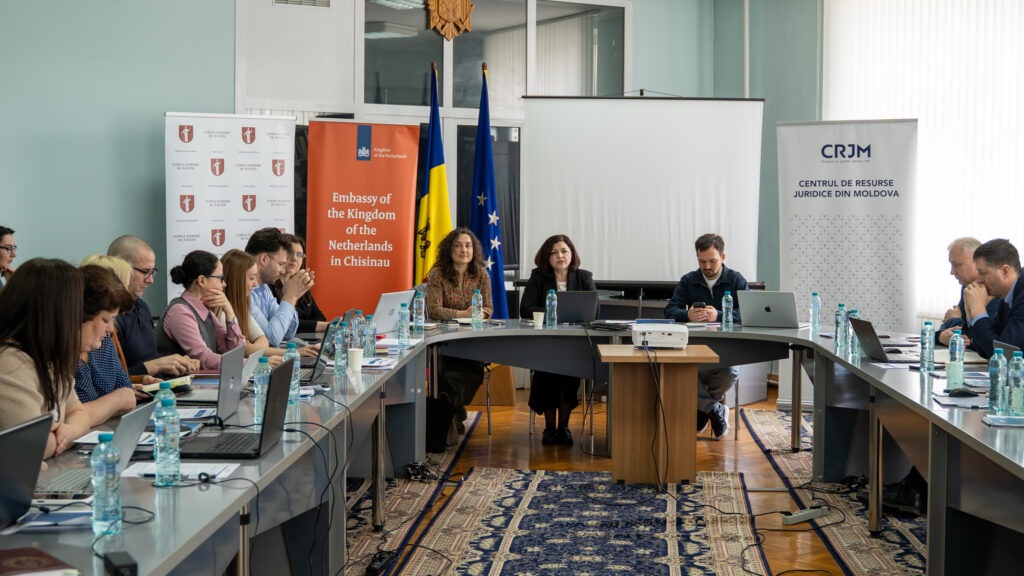
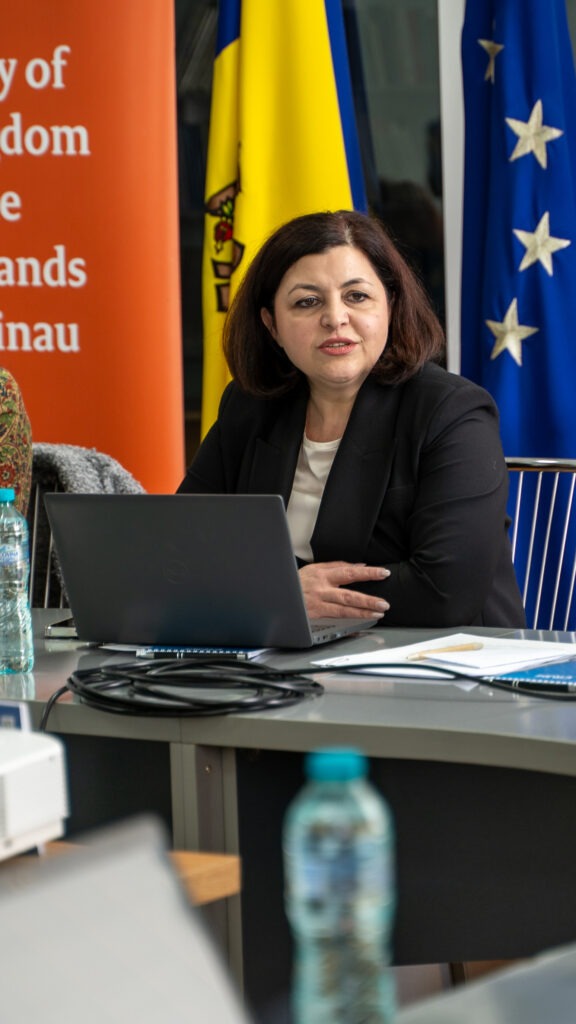
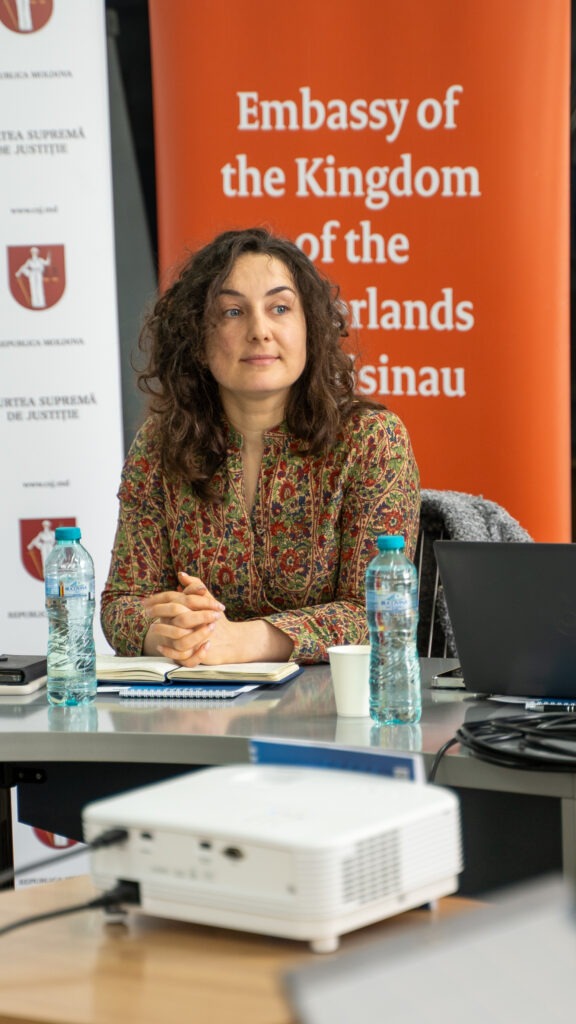
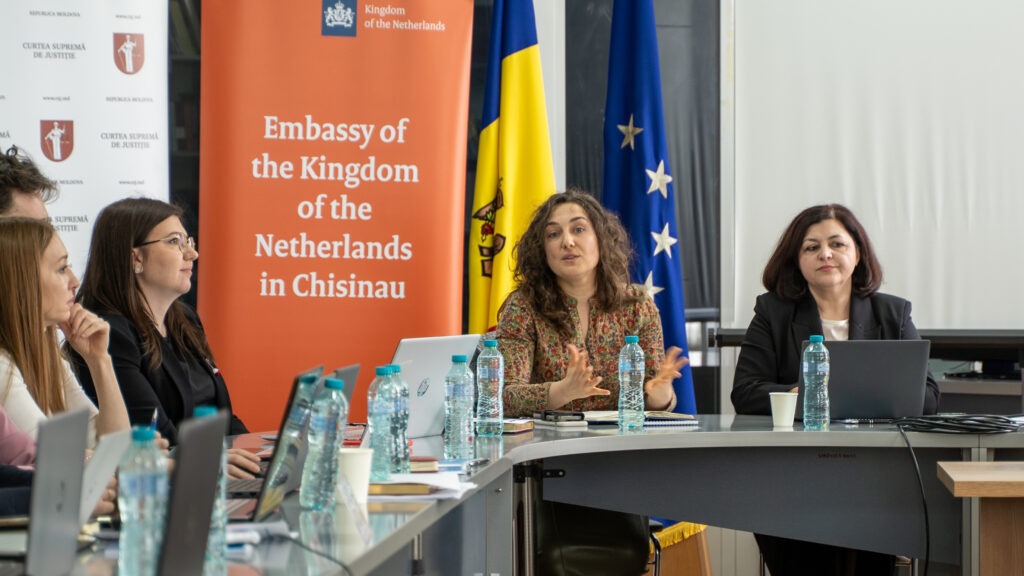
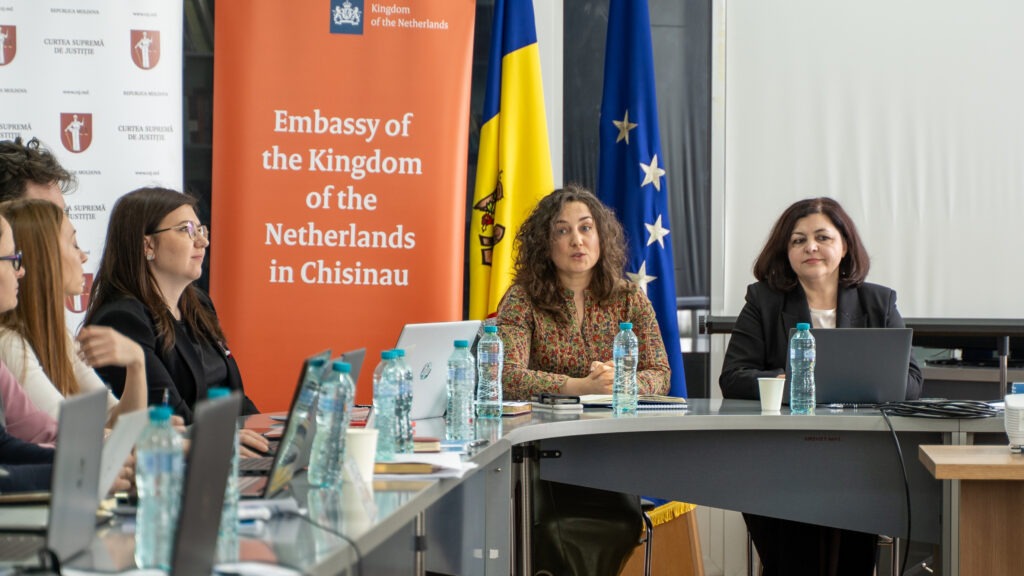
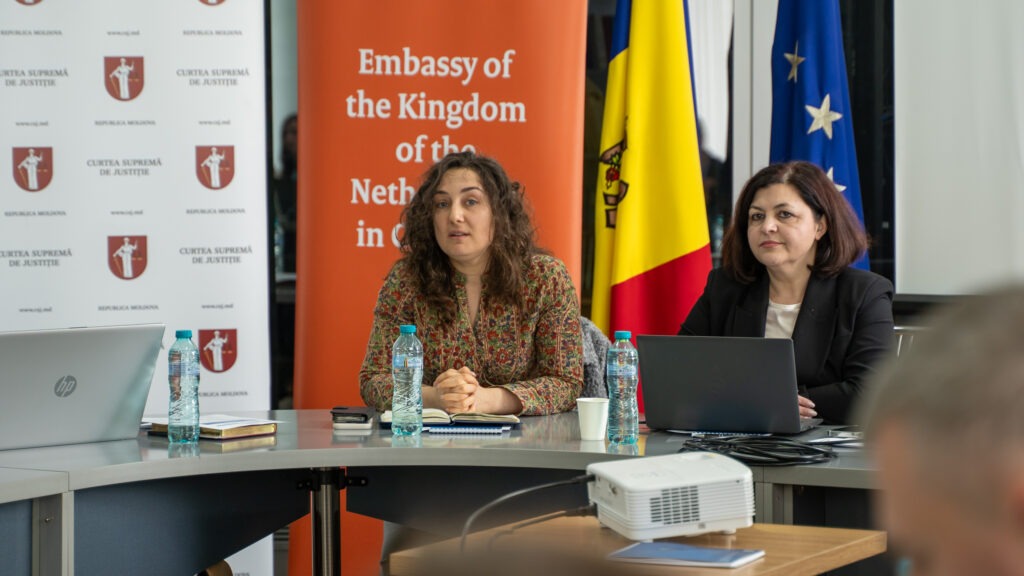
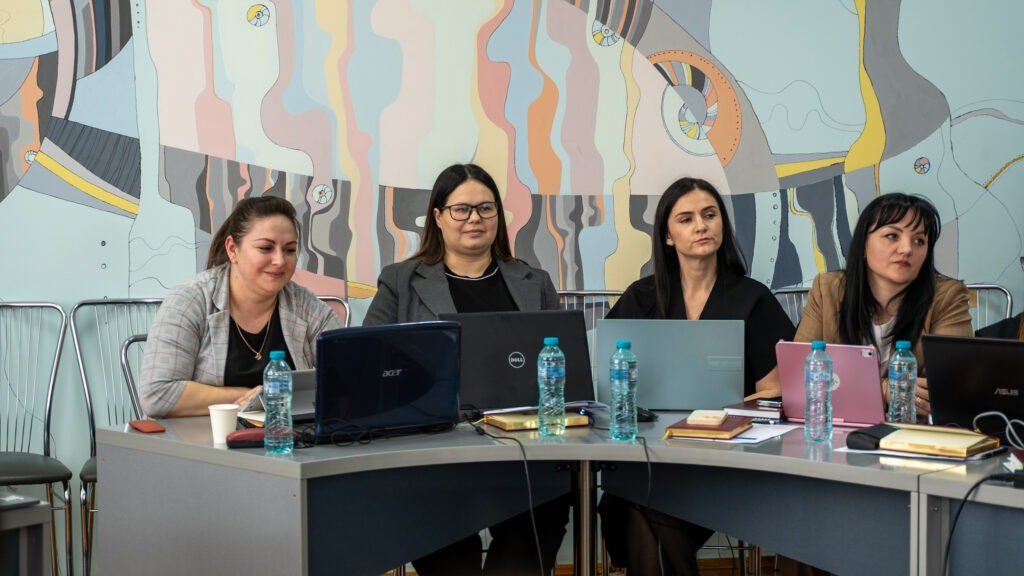
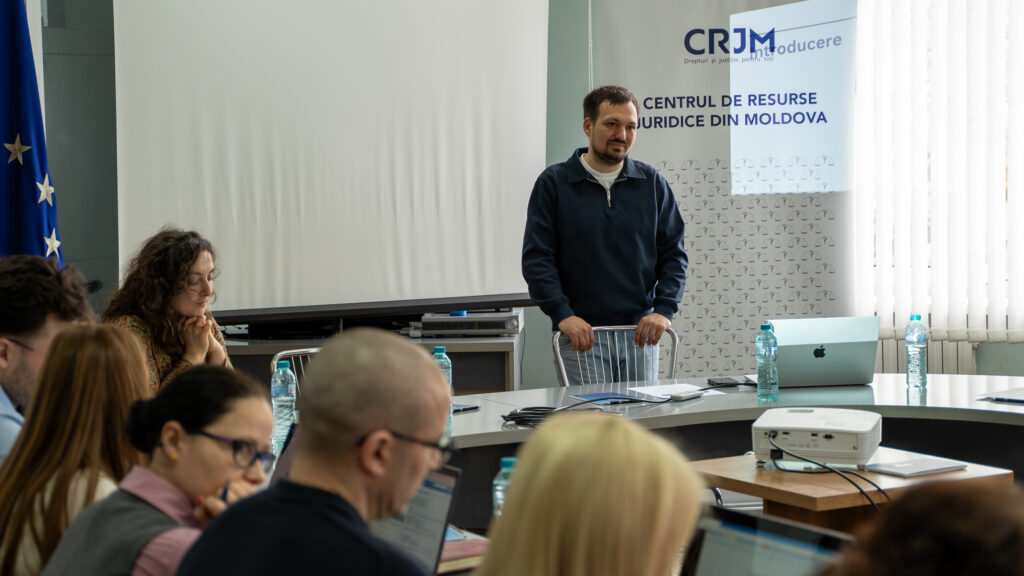
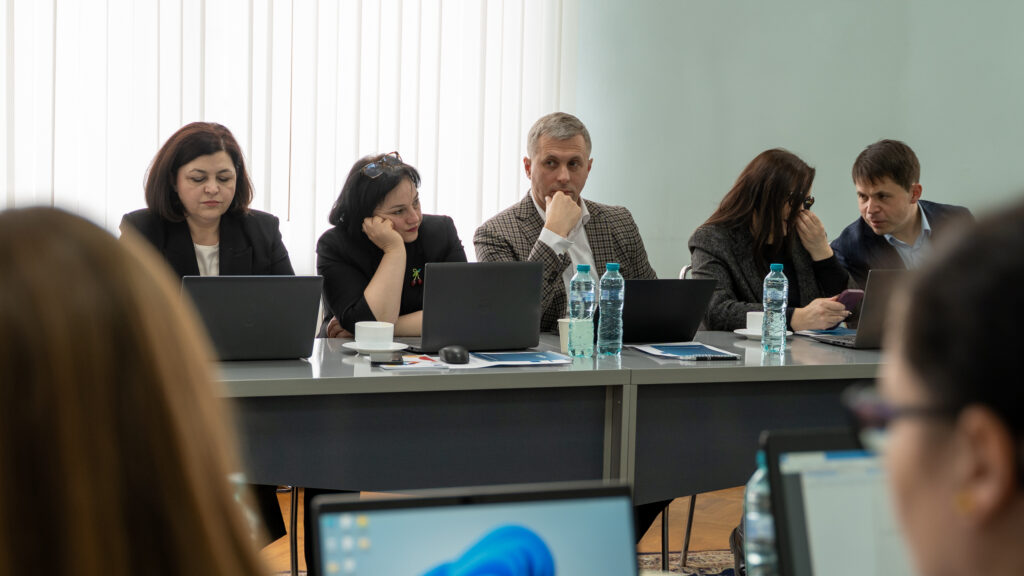
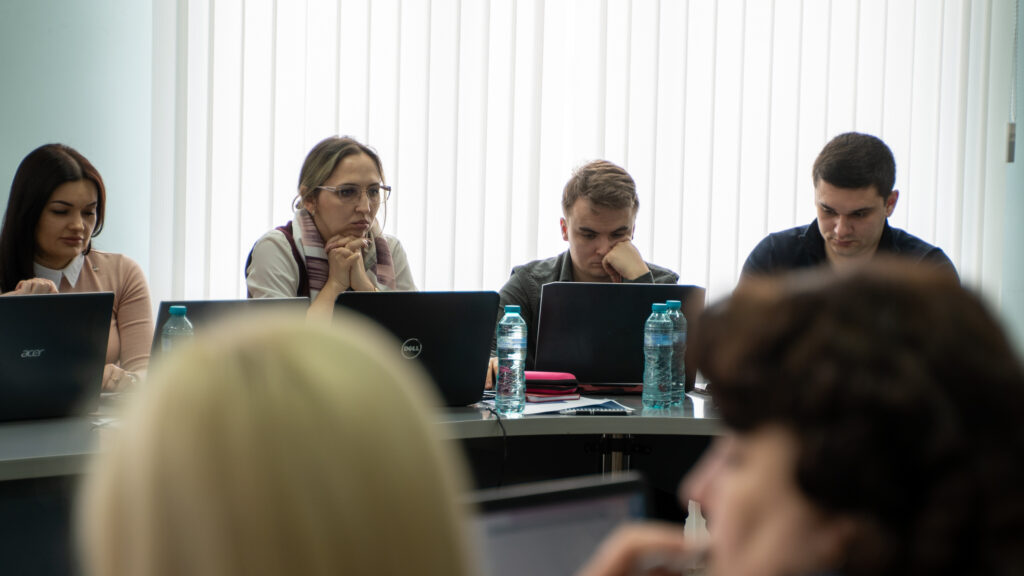
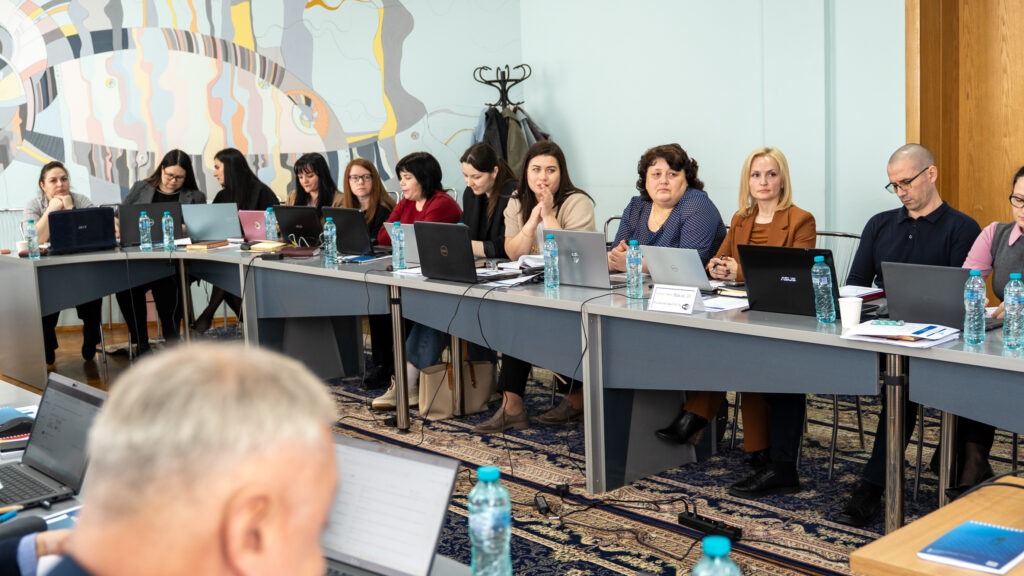
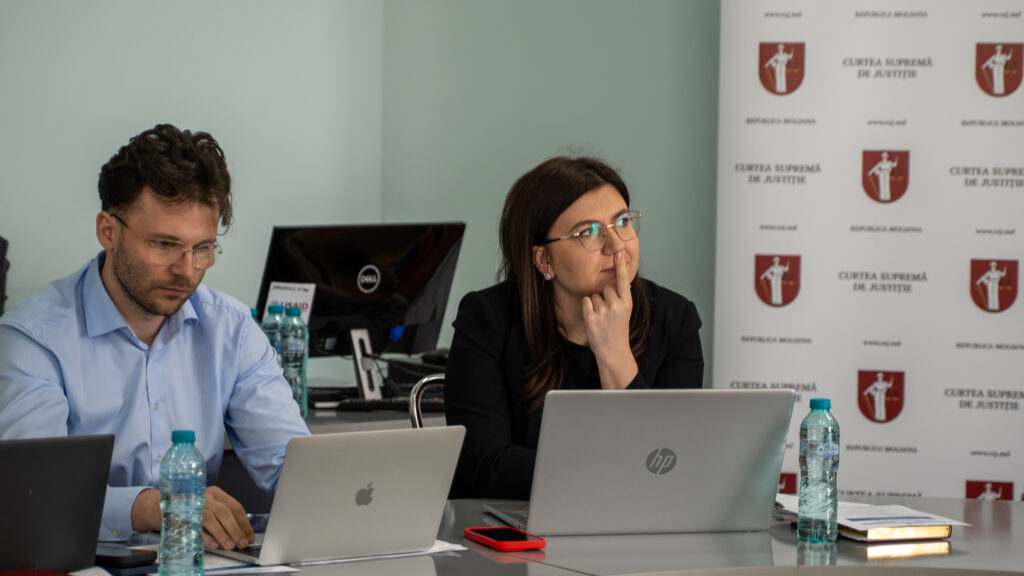
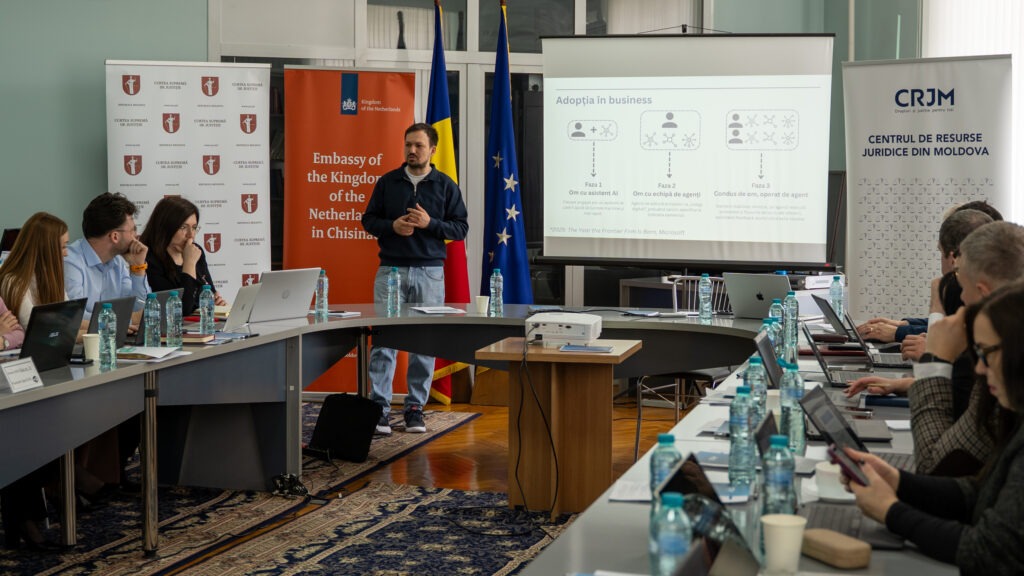
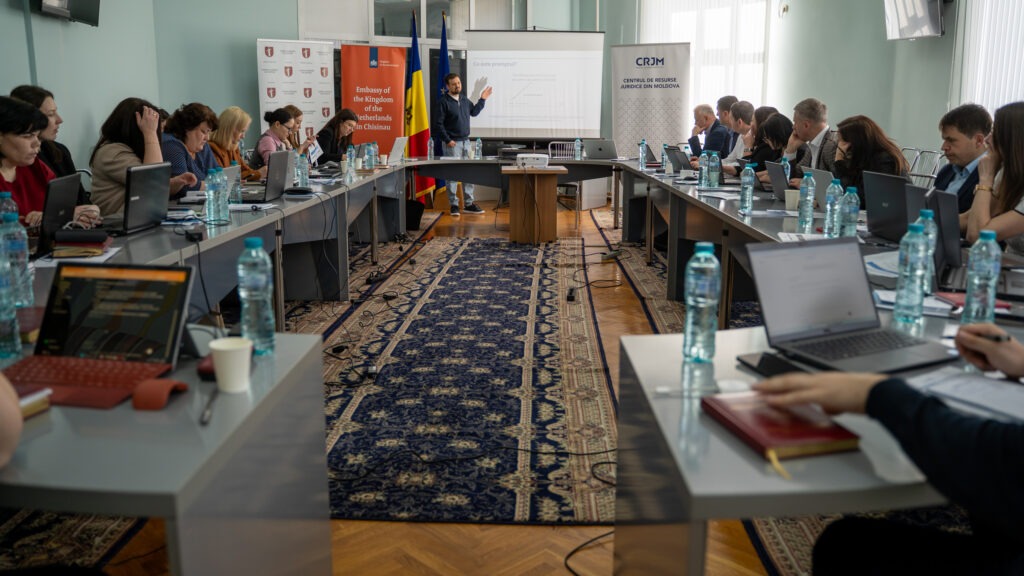
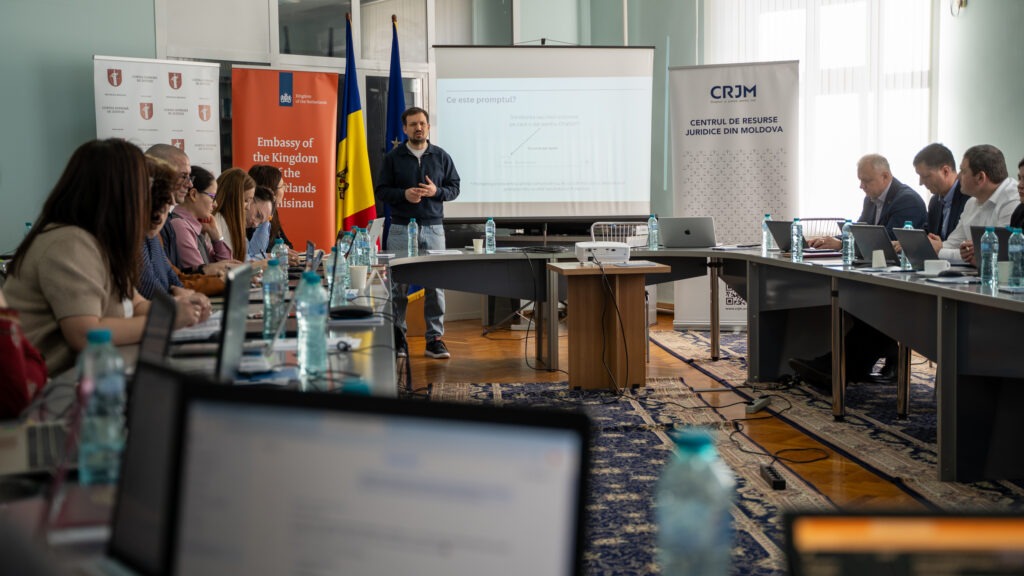
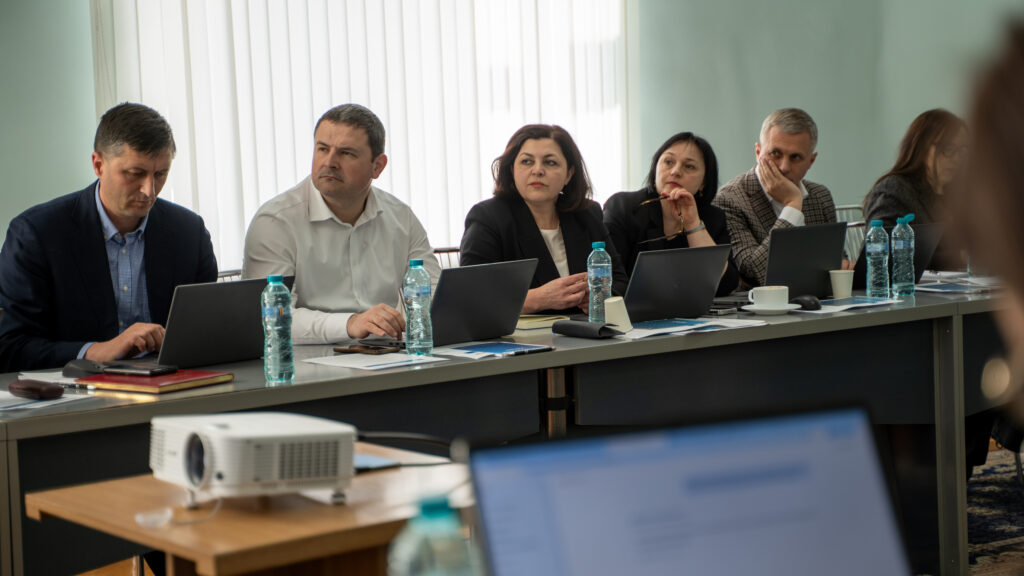
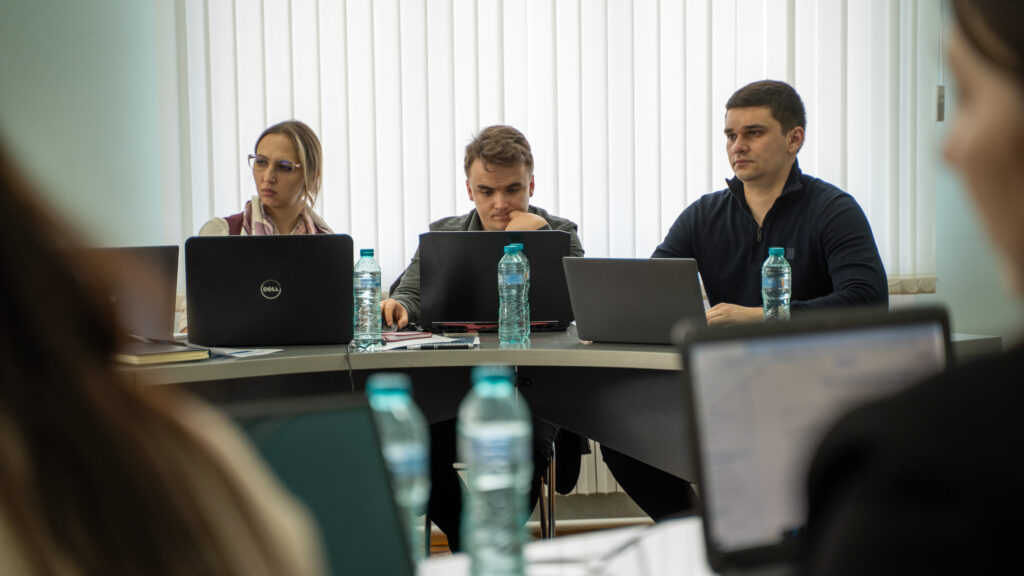
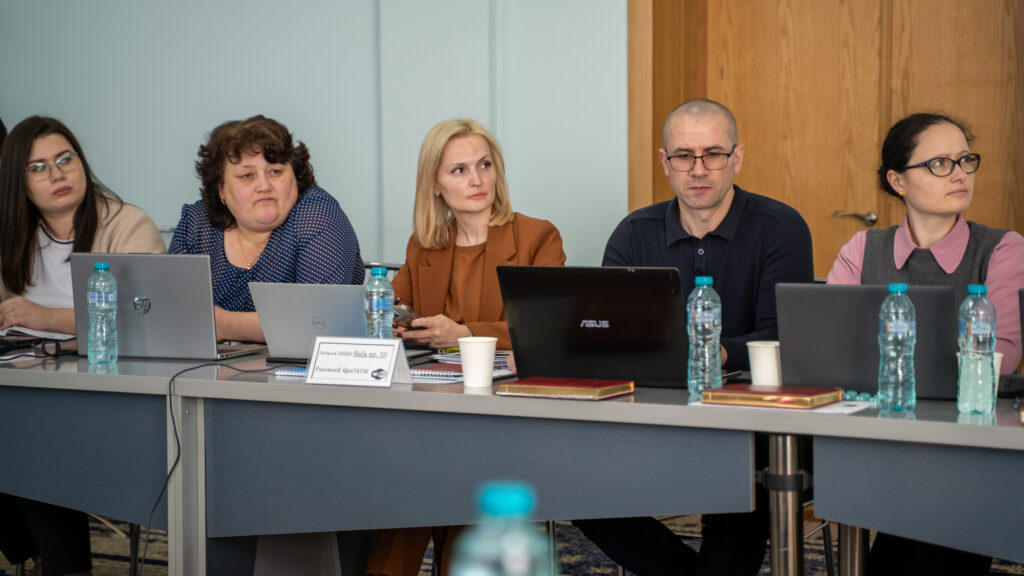
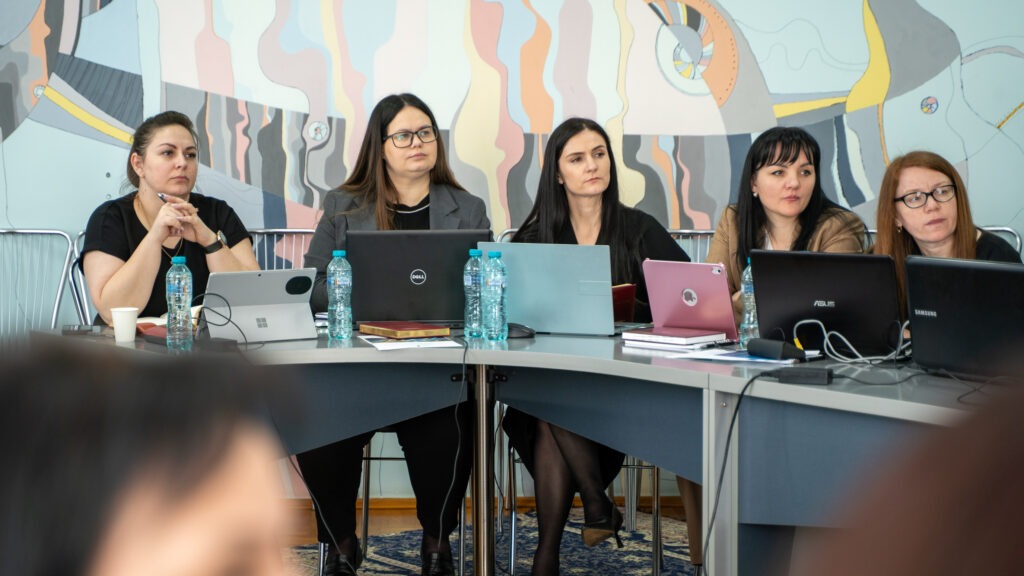
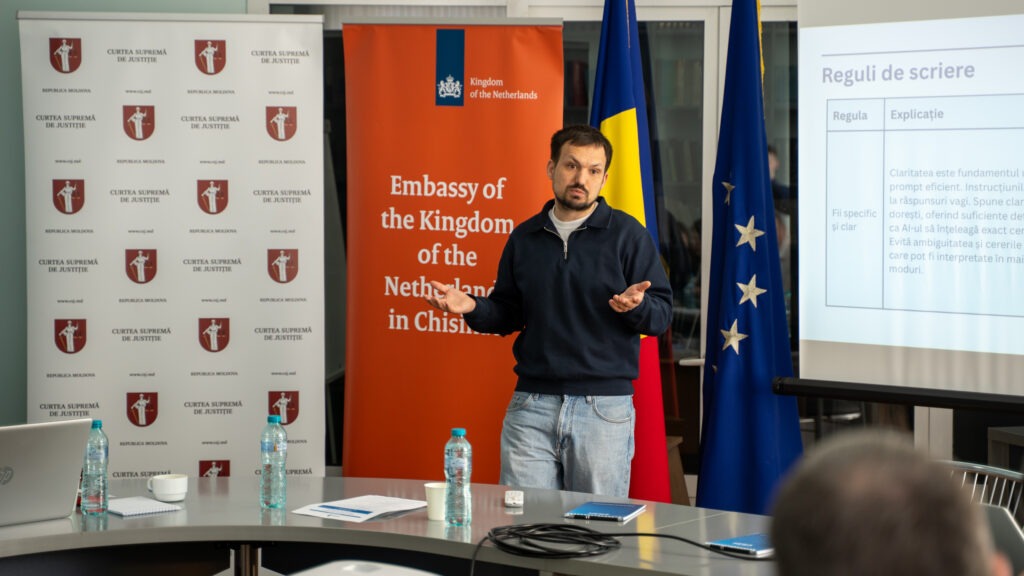
Judges and specialists of the Supreme Court of Justice participated in a training session dedicated to the use of artificial intelligence in judicial activity. The event was organized by the Legal Resources Centre from Moldova and aimed to familiarize participants with AI tools, their benefits for the efficiency of judicial work, the associated risks, and data security.
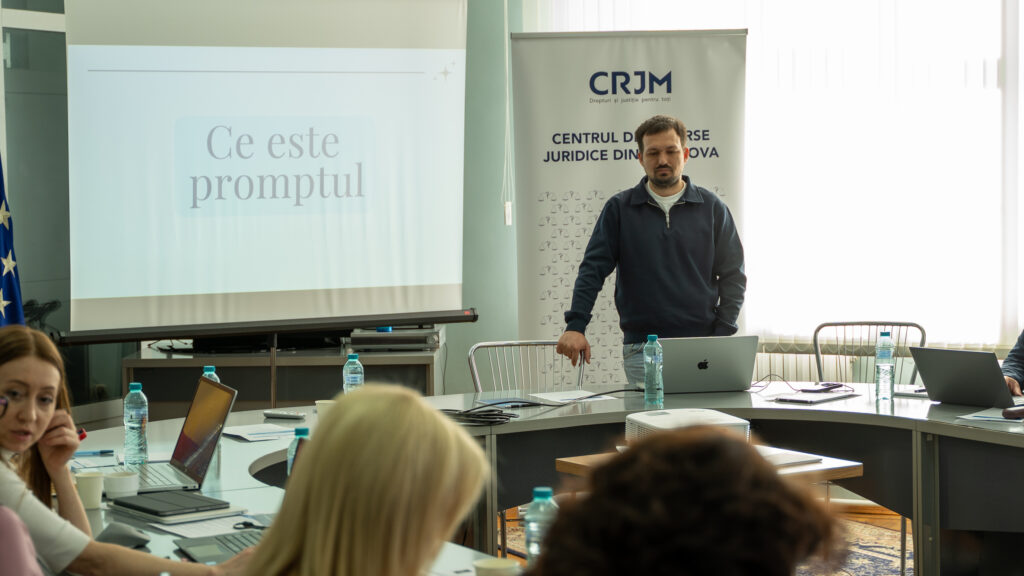
The workshop addressed practical applications of AI technologies, their limitations, and how tools such as ChatGPT, Gemini, NotebookLM, or Perplexity can support legal research, work with texts, and data analysis. The event agenda also included sessions dedicated to security and confidentiality in the use of AI, technological limitations, as well as techniques for formulating prompts for AI that are effective for legal tasks.
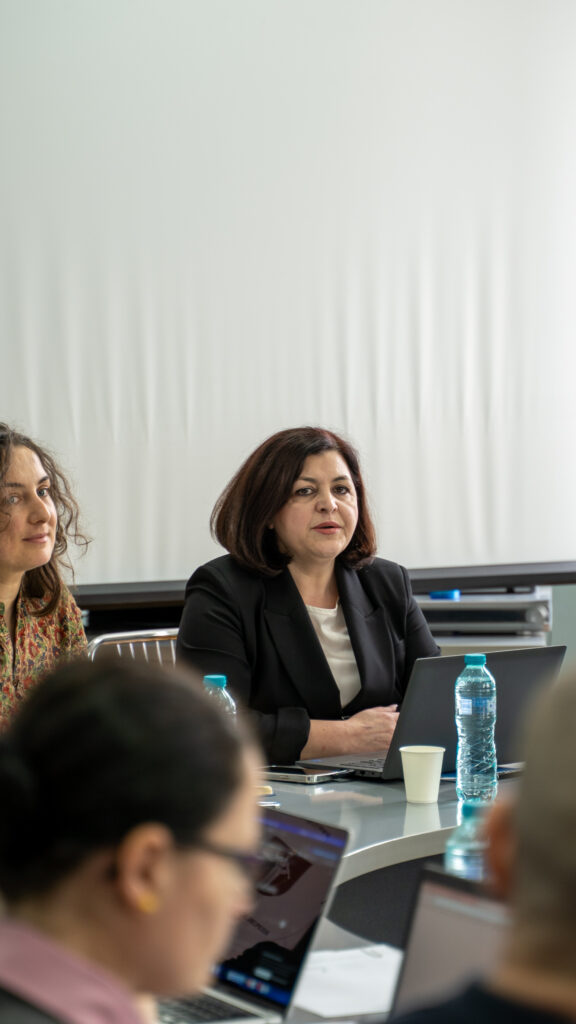
“Artificial intelligence-based technologies are evolving at a very rapid pace and are beginning to influence an increasing number of areas of professional activity, including the justice sector. That is why it is important for us to properly understand what these tools can do, what their limitations are, and how they can be used responsibly,” stated Stela Procopciuc, Acting President of the Supreme Court of Justice.
The event included practical exercises during which participants analyzed concrete examples of the use of AI in judicial activity, such as source verification, drafting summaries, and activating different formats of large language models (LLMs). The training forms part of a series of activities supported by the Embassy of the Kingdom of the Netherlands in the Republic of Moldova, with the aim of strengthening the cyber resilience of democratic institutions.
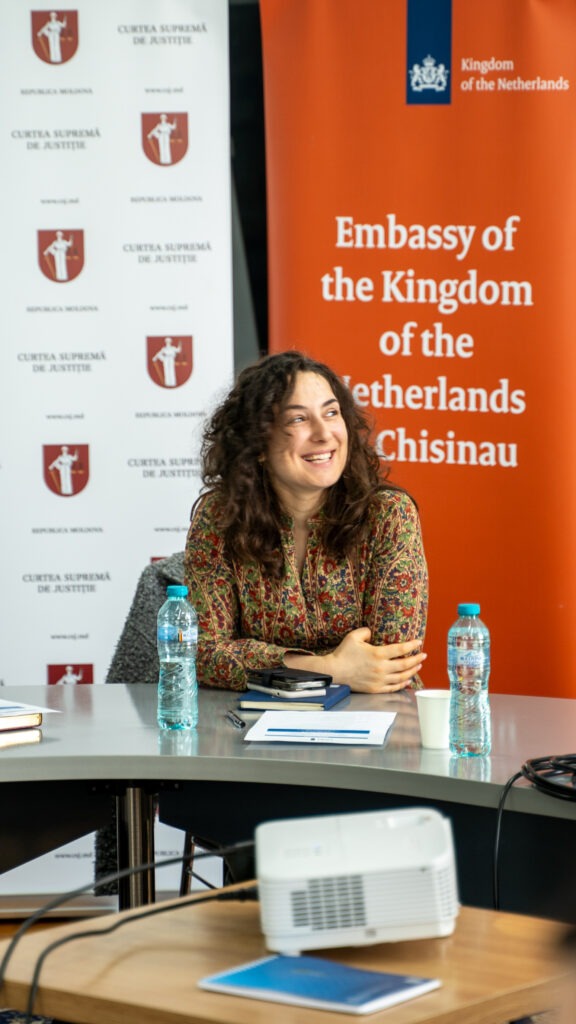
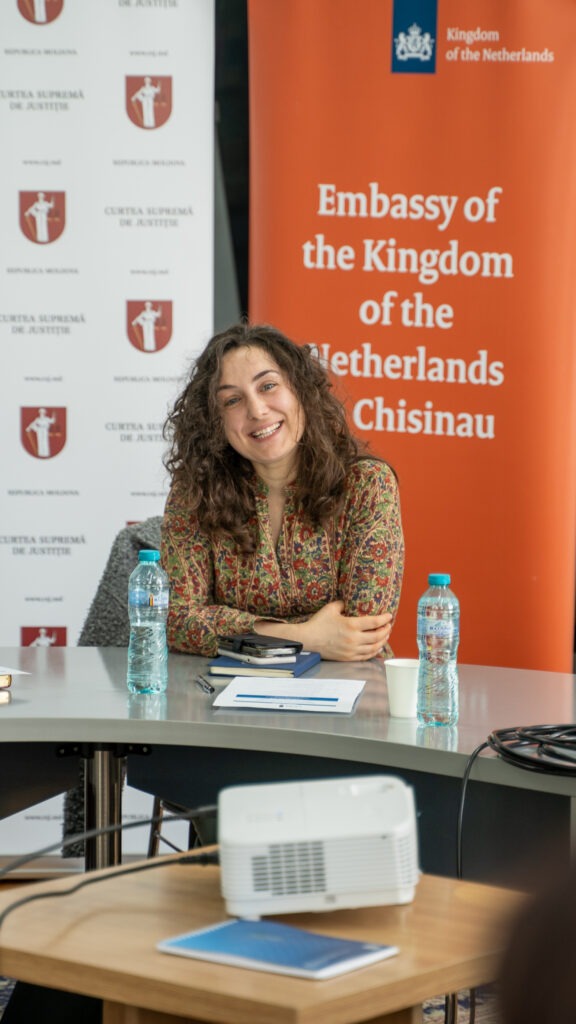
“We are honored that the Supreme Court of Justice is benefiting from support in its process of modernization and institutional strengthening, because these efforts contribute both to the development of a strong and resilient democratic institution and to the implementation of European standards and the process of European integration — processes that the Kingdom of the Netherlands supports in the Republic of Moldova,” noted Elena Cristian, Senior Rule of Law Expert.
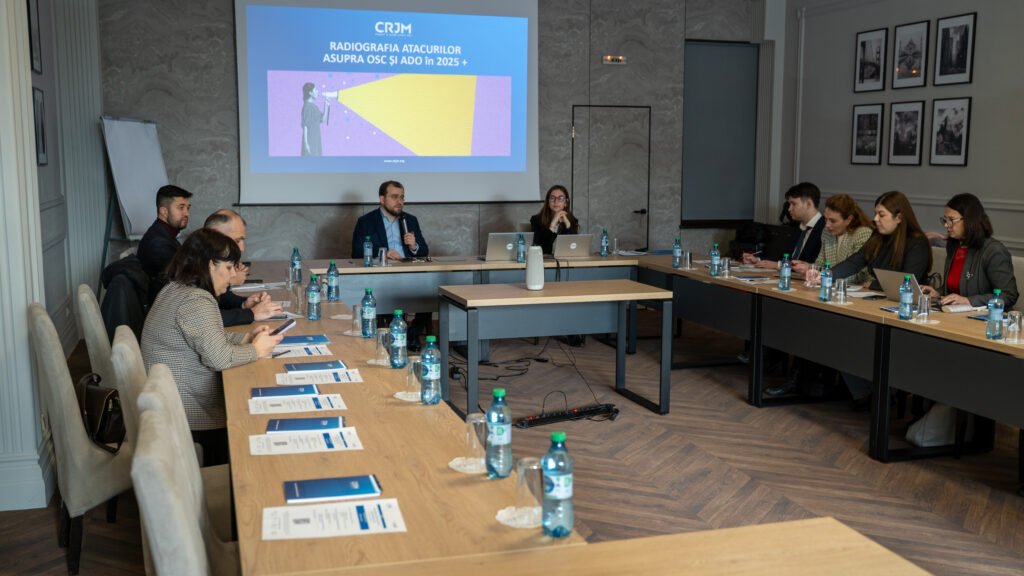
The AI training was organized within the “Shielding Democracy Post Elections: A strategic, multi-sectoral response to hybrid threats targeting Moldova’s democratic institutions” project, implemented by the Legal Resources Centre from Moldova with the financial support of the Embassy of the Kingdom of the Netherlands.