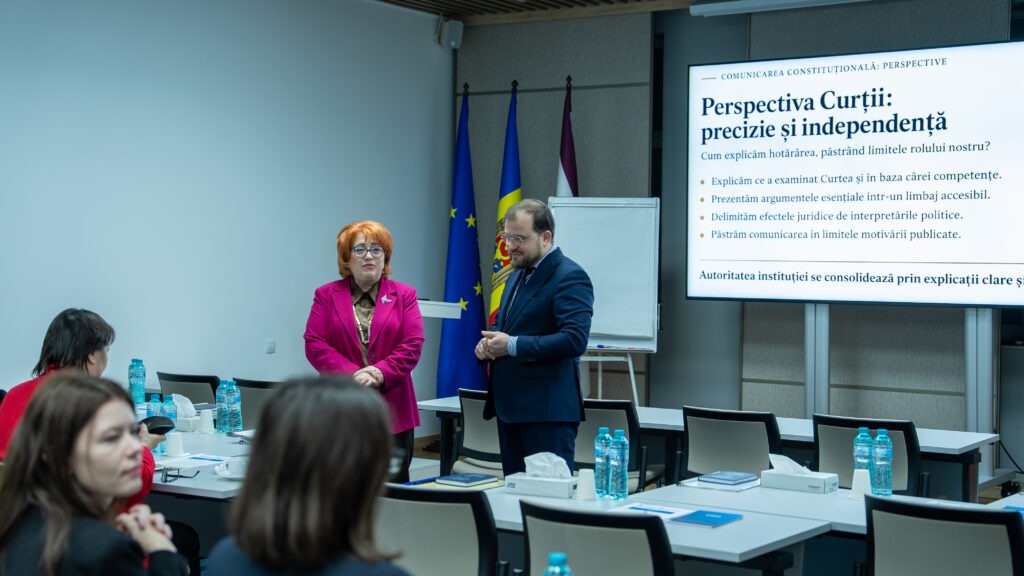
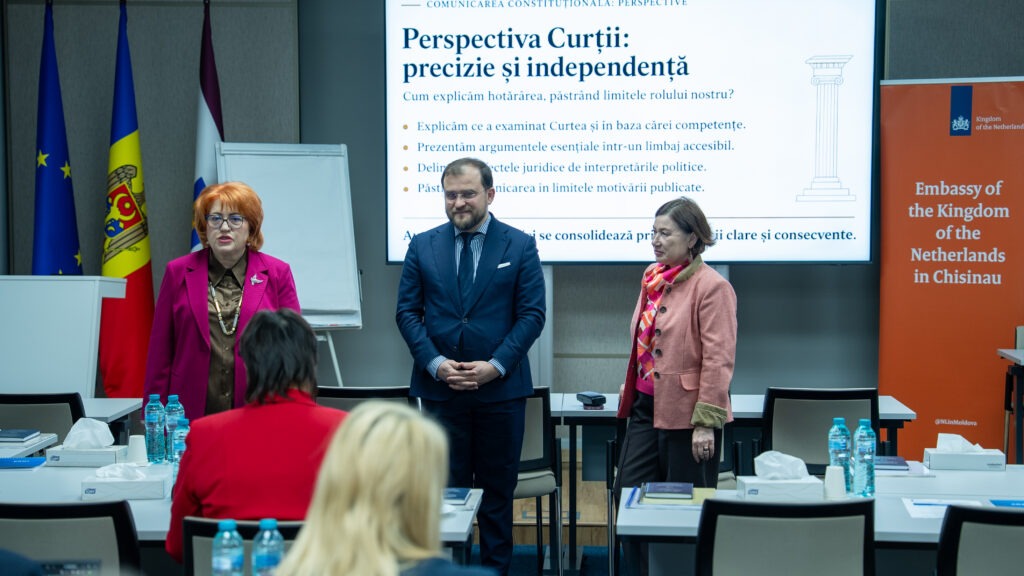
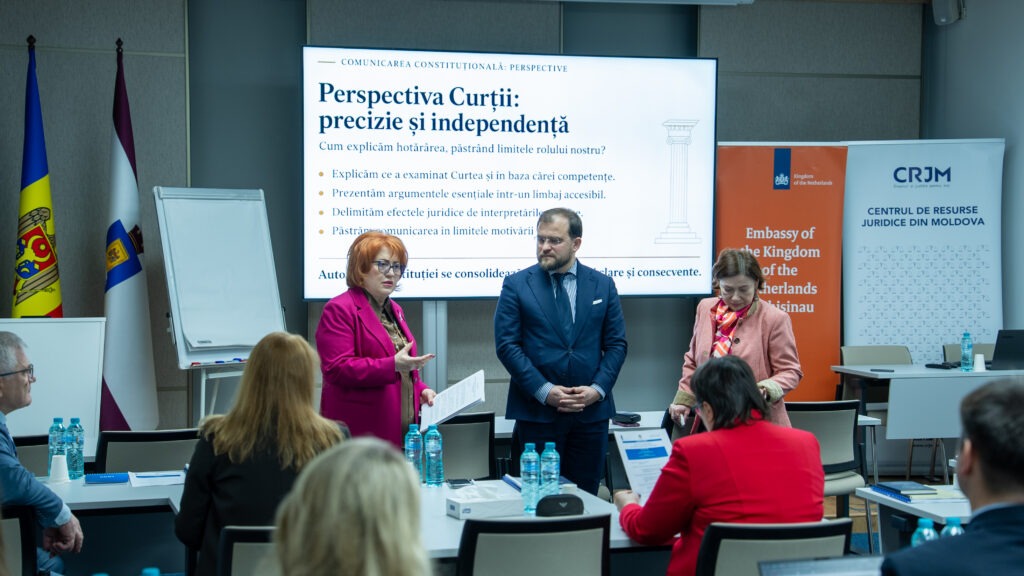
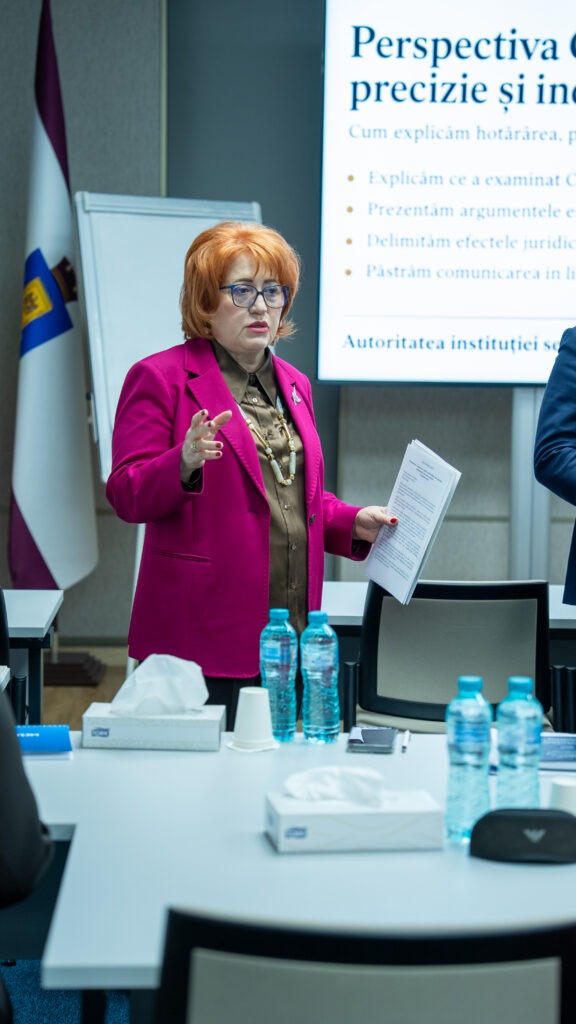
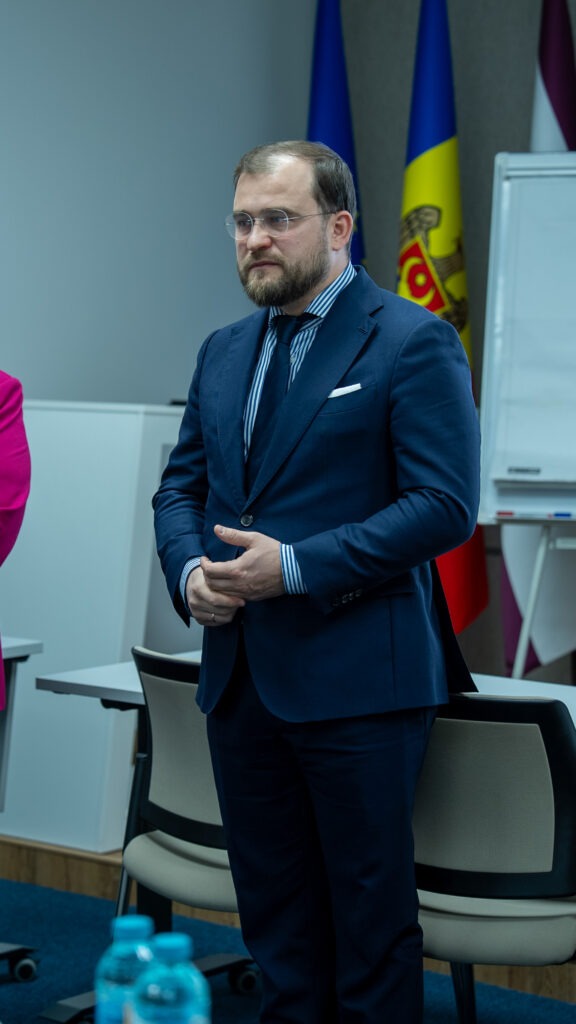
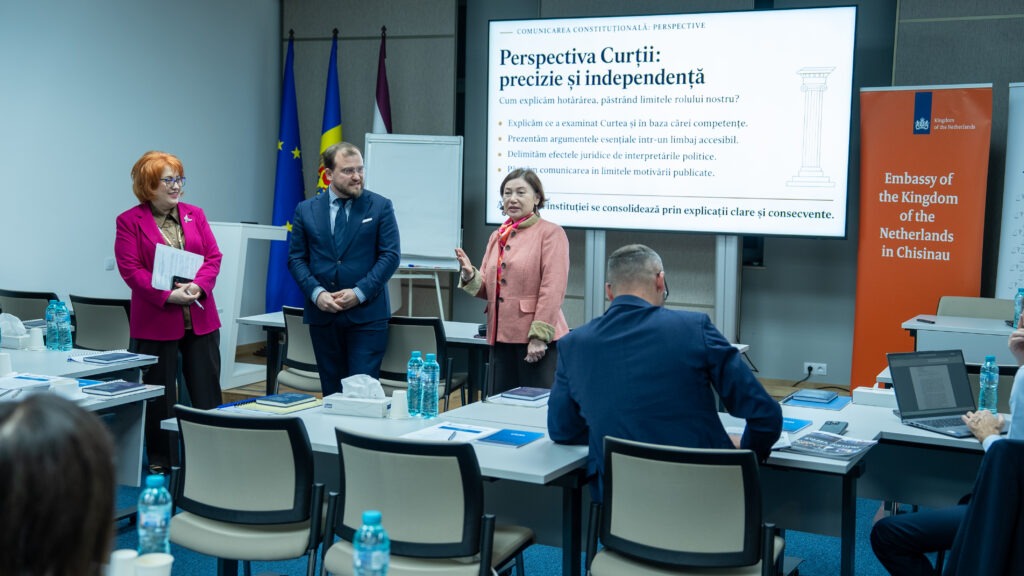
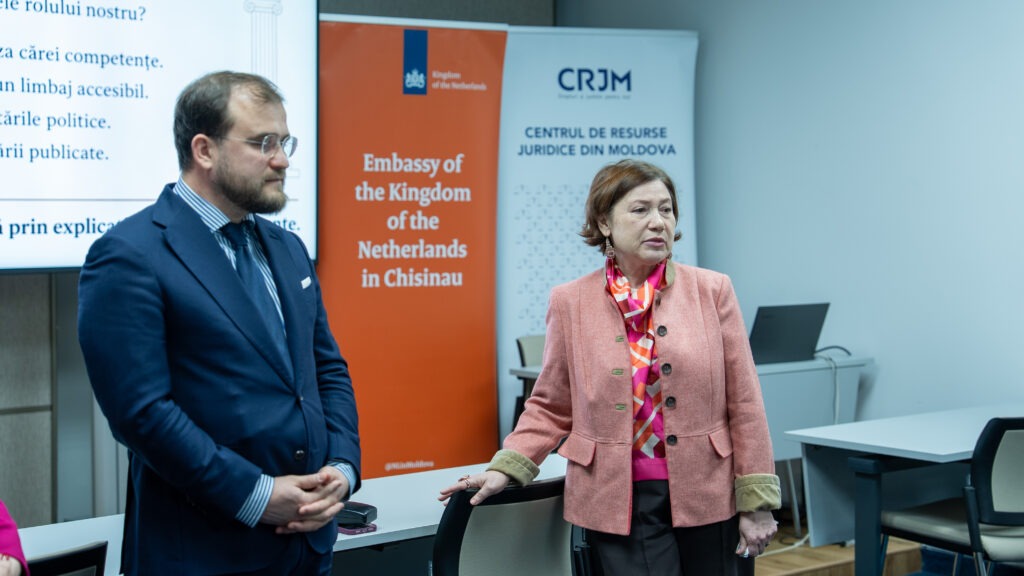
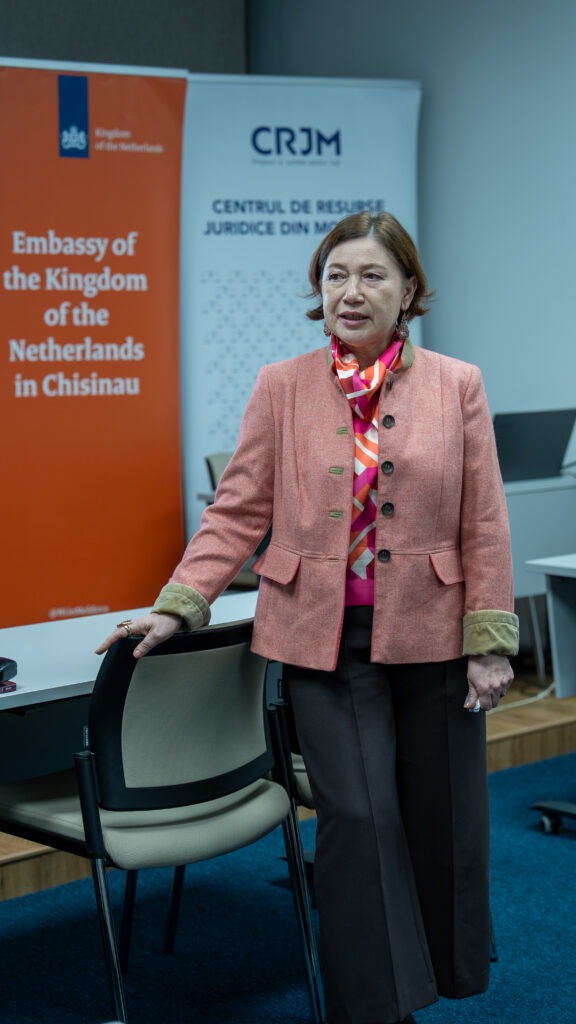
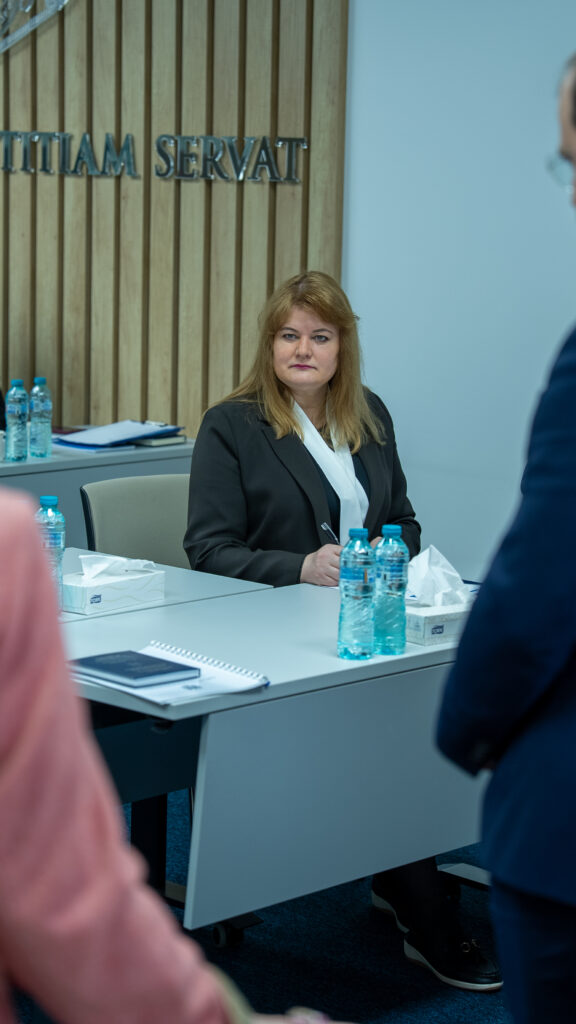
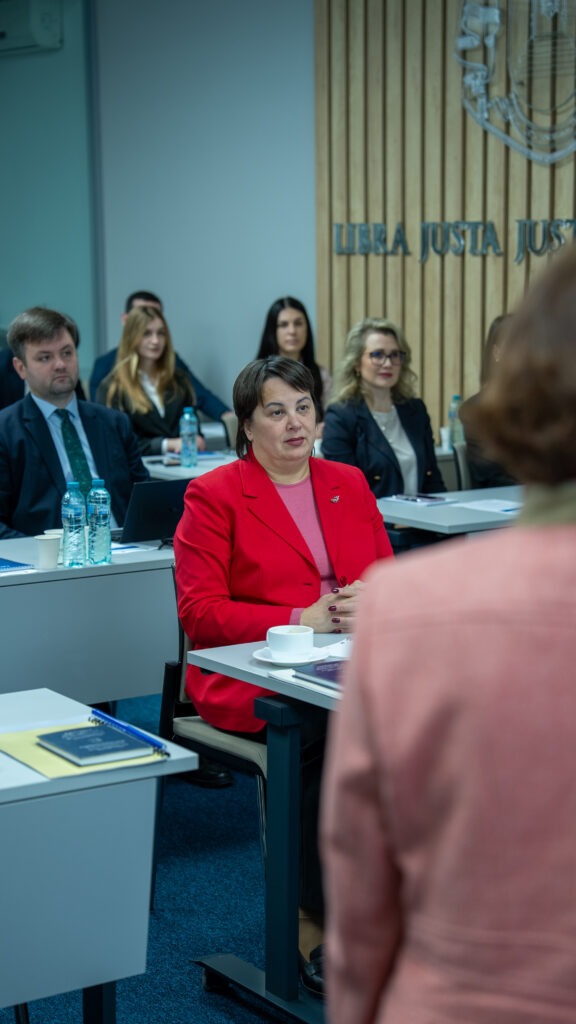
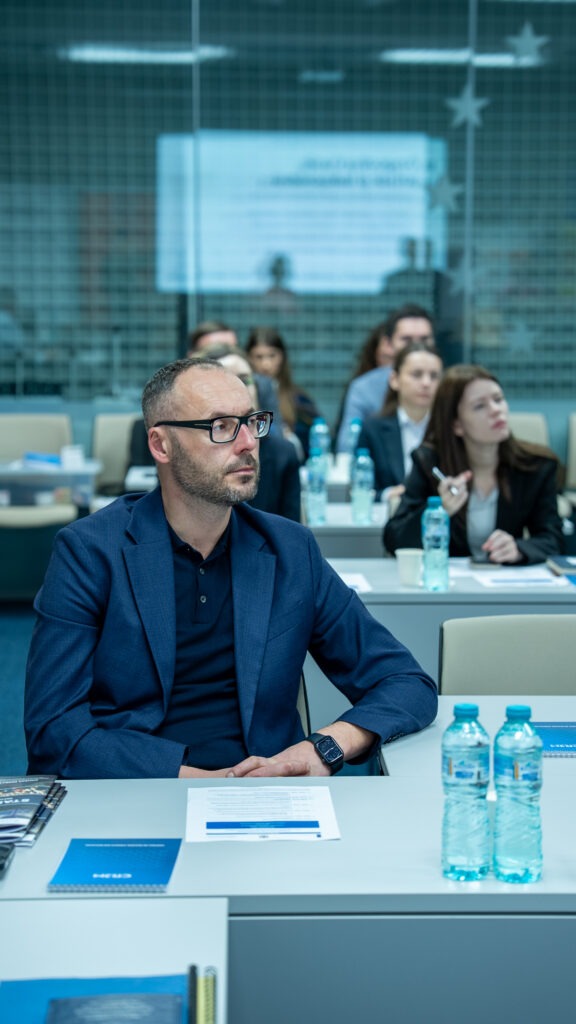
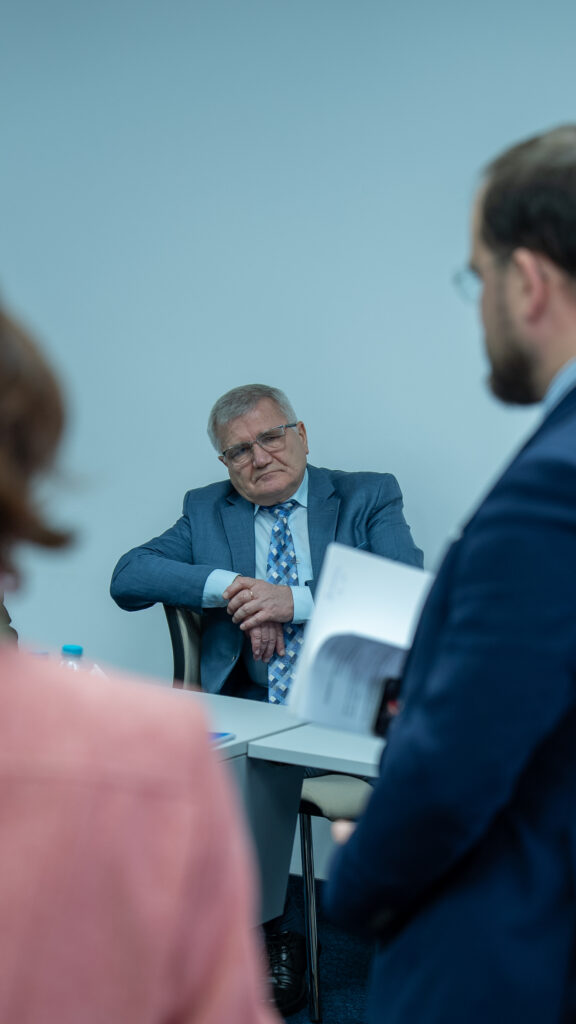
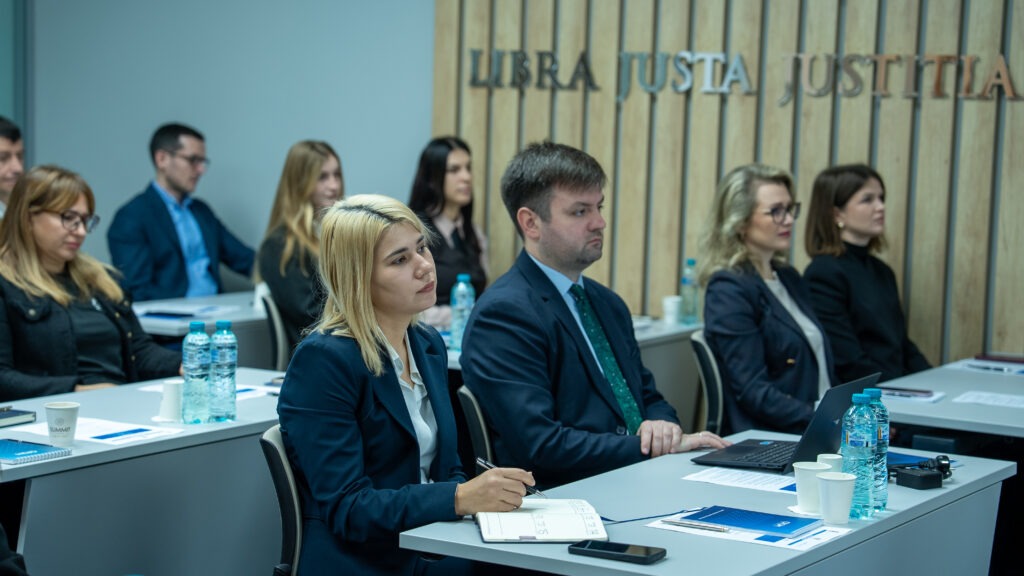
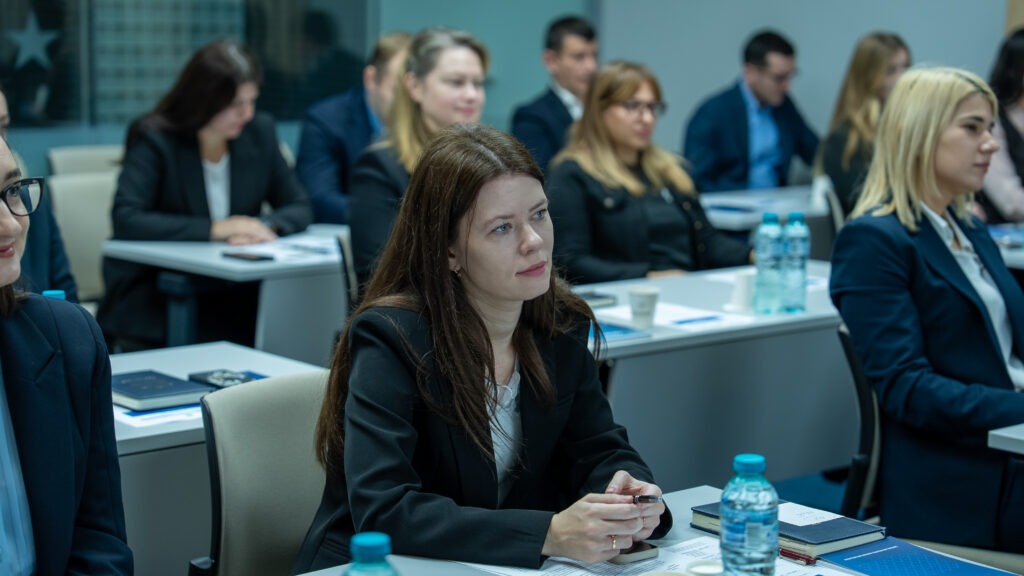
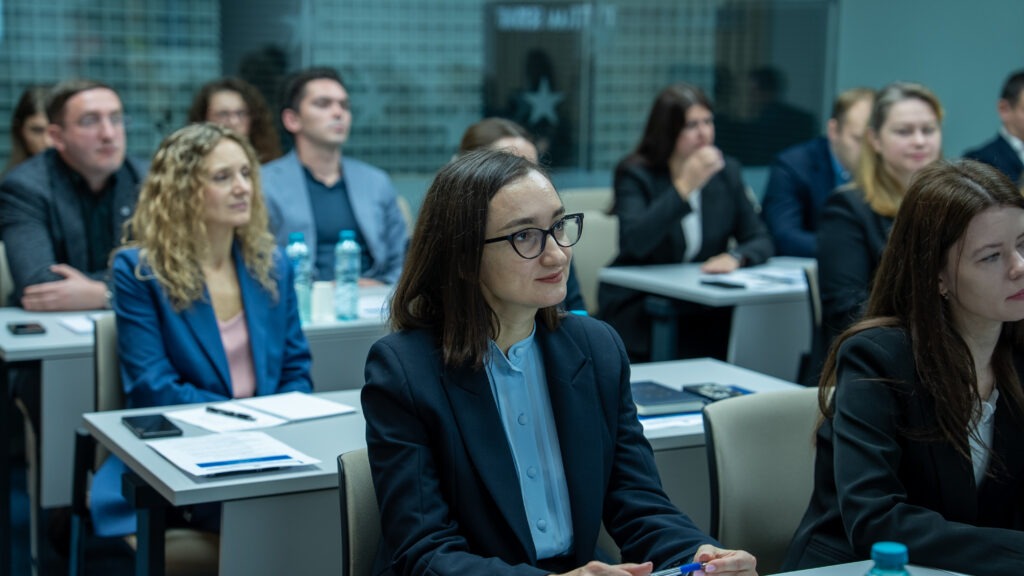
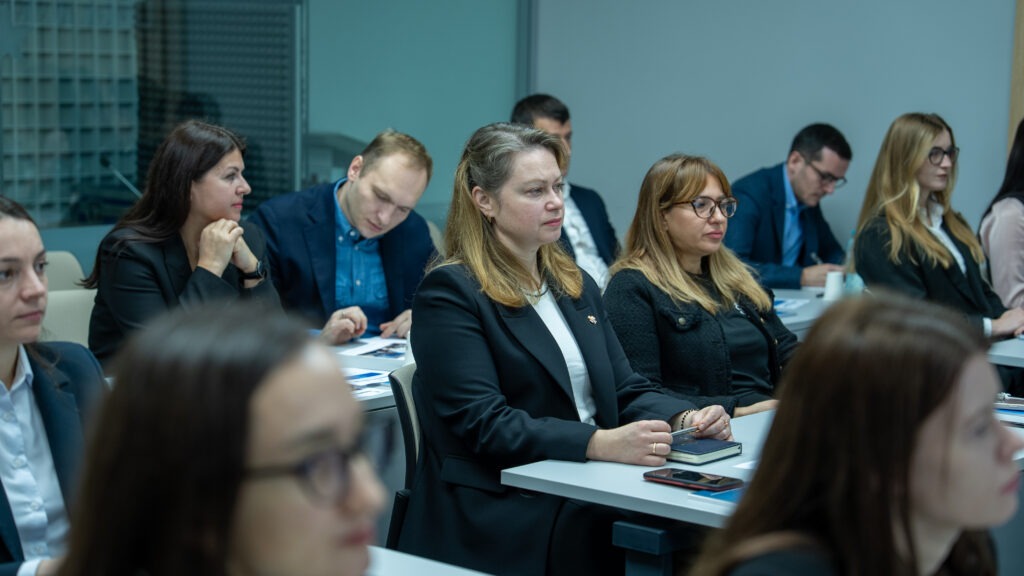
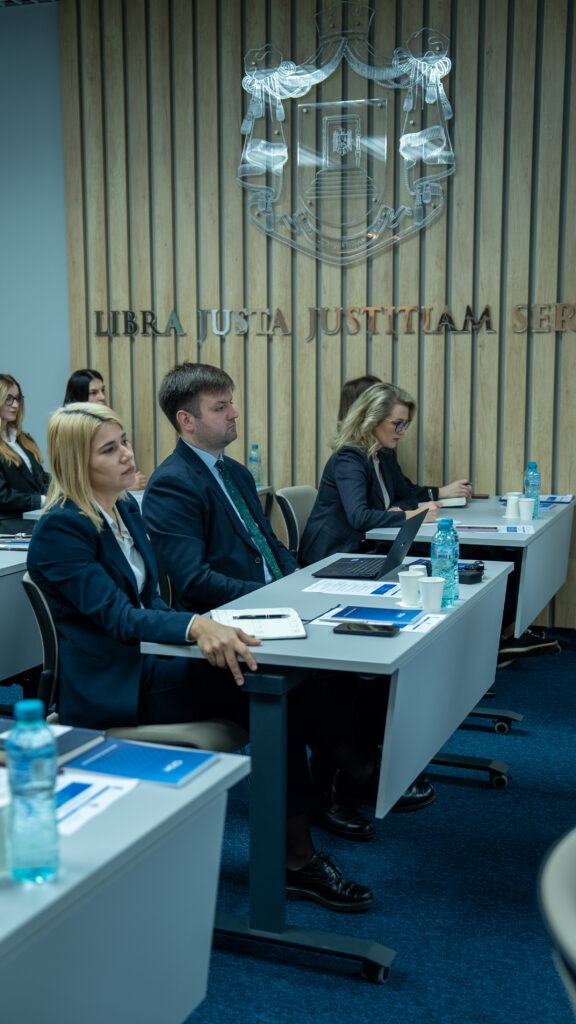
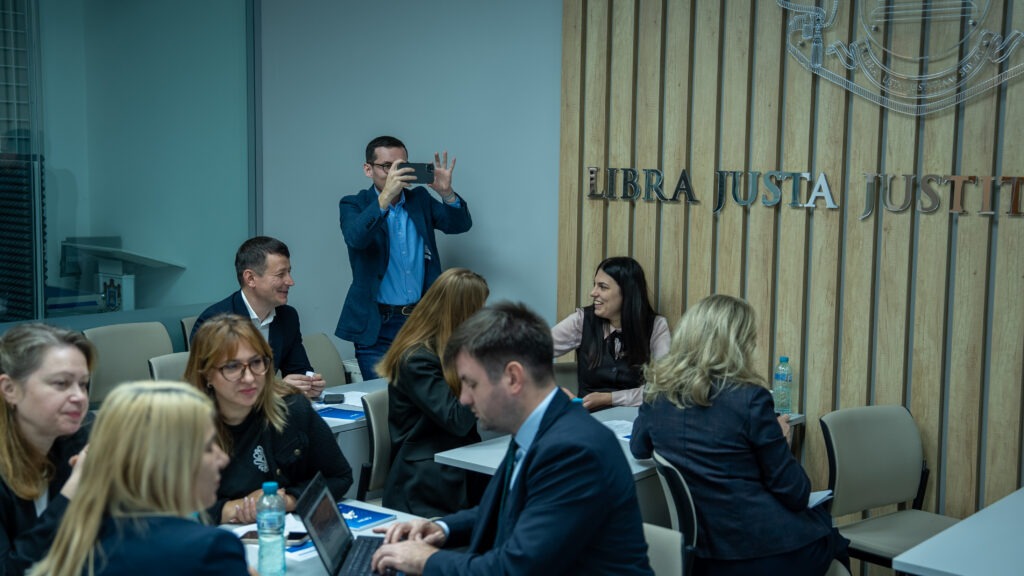
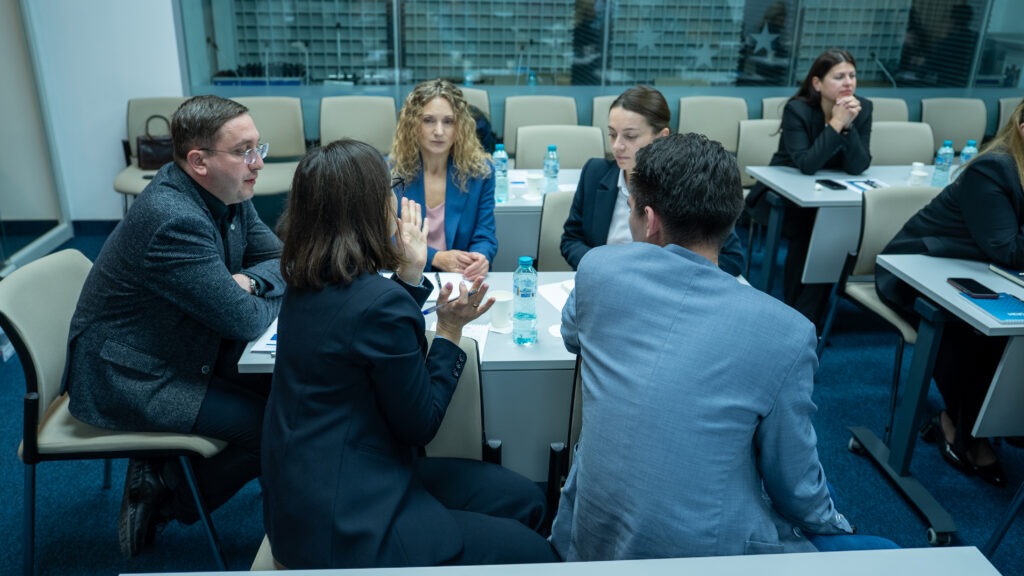
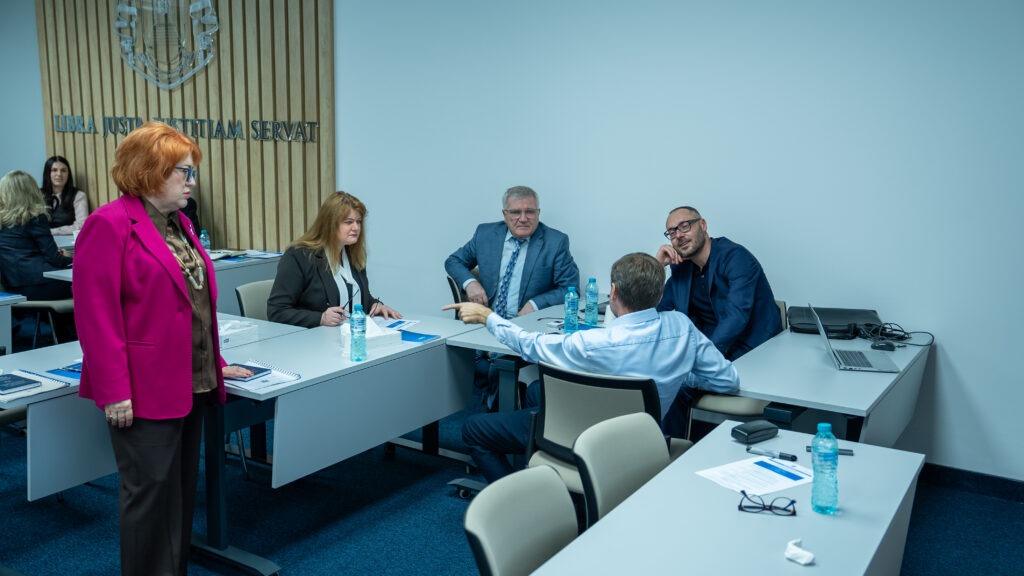
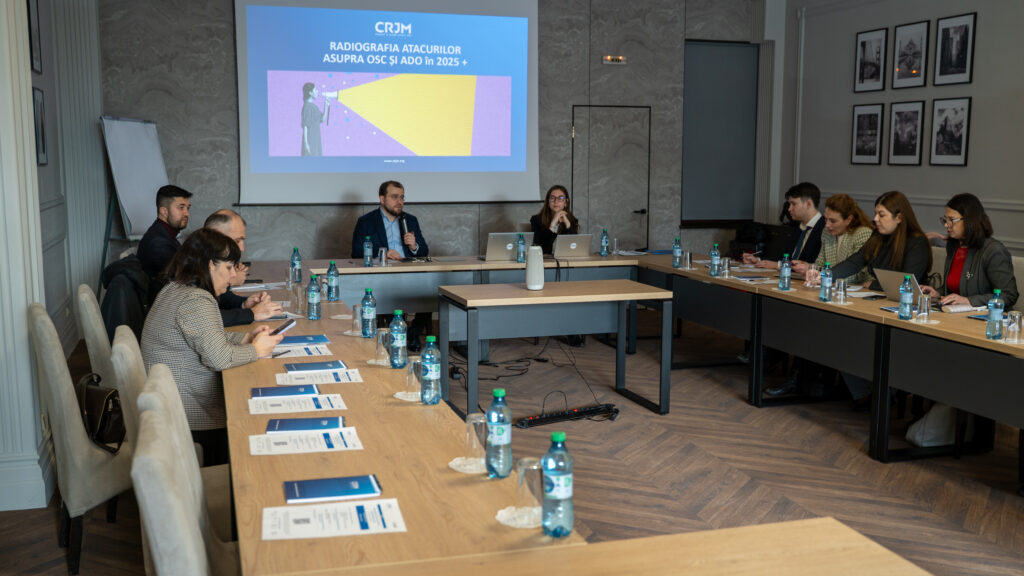
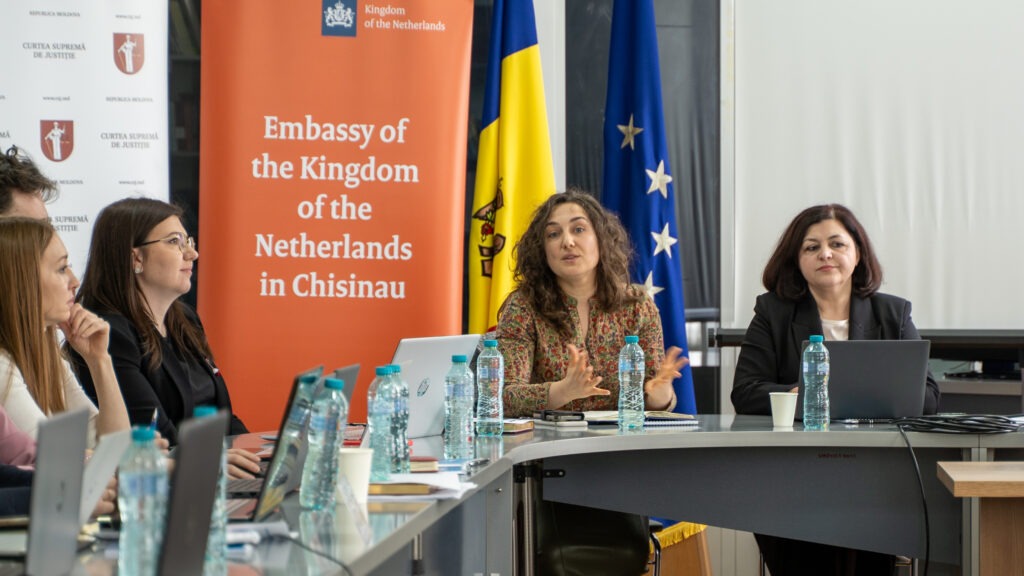
Constitutional rulings that affect society and democratic processes must be understood by the public. At the same time, the Constitutional Court must address complex questions and strengthen public trust while safeguarding its independence and maintaining legal rigour. These were the main challenges explored during a communications workshop organised by the Legal Resources Centre from Moldova (LRCM) late last week.
The discussions centred on the fact that the legal reasoning underpinning constitutional rulings is not always easy for citizens to understand. This challenge is compounded by an increasingly complex information environment, where manipulation and disinformation undermine public trust in the rule of law. Against this backdrop, the Constitutional Court has an important role to play in bridging this gap by explaining rulings of significant public interest in clear, accessible language.
“One of the main challenges we currently face is communicating transparently and in accessible language while preserving both legal rigour and the Court’s independence, and respecting the duty of restraint and discretion incumbent upon constitutional judges in their public communications. In this regard, discussions with communications experts from outside the justice system help us better understand developments and trends in communication and adapt our approach accordingly,” said Domnica Manole, President of the Constitutional Court.
The workshop explored how the Court’s communication is perceived by judges, legal professionals, journalists and the general public. Particular attention was paid to translating constitutional concepts and legal reasoning into messages that are accessible to a wider audience. Constitutional Court judges and staff examined techniques for simplifying complex information and presentation formats that make legal issues easier to understand without distorting their meaning.
“Trust in democratic institutions also depends on their ability to communicate openly, consistently and in a way people can understand. When complex legal decisions are not adequately explained, public discourse can become vulnerable to misinterpretation and disinformation. Through this initiative, we aim to help strengthen institutional communication that brings constitutional justice closer to citizens without undermining the independence of the decision-making process,” said Ilie Chirtoacă, Executive Director of the LRCM.
The workshop was facilitated by Ludmila Andronic, a communications expert working on the SHIELD-MD project, who brought a practical perspective to the discussions through message development techniques, examples of institutional communication and an examination of situations in which public pressure calls for swift, well-founded responses. Her expertise helped steer the discussions towards identifying communication approaches that respond to citizens’ information needs while preserving the Court’s authority, independence and impartiality.

The event was organised within the “Shielding Democracy Post Elections: A strategic, multi-sectoral response to hybrid threats targeting Moldova’s democratic institutions” project, implemented by the Legal Resources Centre from Moldova with the financial support of the Embassy of the Kingdom of the Netherlands.